Portugal enters the 2026 World Cup with a squad defined by a record-breaking Cristiano Ronaldo and a heartfelt tribute to the late Diogo Jota.
Portugal’s pursuit of their first-ever World Cup title has never felt more significant than it does heading into the summer of 2026. Manager Roberto Martínez has unveiled a 26-man squad that is arguably the most balanced and technically gifted in the nation's history, but the announcement was underscored by a deep sense of poignancy. While much of the global focus remains fixed on Cristiano Ronaldo’s historic sixth tournament appearance, the heart of this team is anchored in a collective mission to honour a fallen teammate and a midfield that is rapidly becoming the envy of the world.
The emotional weight of this campaign cannot be overstated. The Portuguese football community is still reeling from the tragic death of Diogo Jota on July 3, 2025. The former Liverpool forward, a pillar of the national team’s recent success, lost his life in a car accident alongside his brother Andre Silva just eleven days after his wedding. For the players selected this Tuesday, every training session and every match in North America will be played in the shadow of that loss. The squad is not just playing for a trophy; they are playing for the memory of a beloved friend whose presence is still felt in every corner of the dressing room.
The Transition of Power to Bruno Fernandes
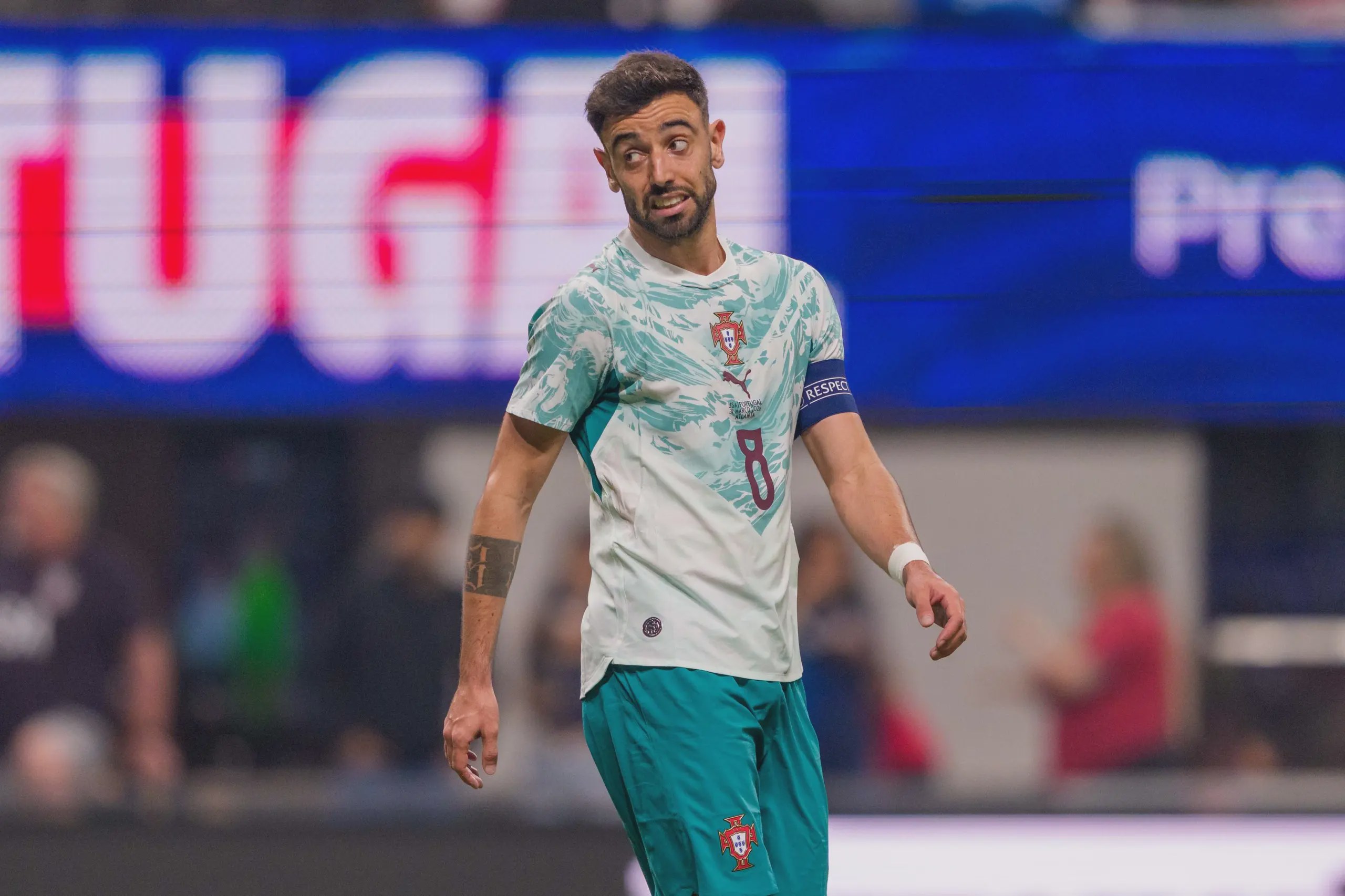
While Cristiano Ronaldo remains the most famous face in the group, the tactical reality of this Portugal side has undergone a fundamental shift. At 31, Bruno Fernandes has officially ascended to the role of the team’s most indispensable player. Coming off a season where he was statistically the best chance creator in the Premier League for Manchester United, Fernandes is the creative fulcrum around which Martínez has built his system. His ability to unlock deep-sitting defences and take responsibility in high-pressure moments has made him the true leader of Portugal’s on-pitch operations.
The dynamic between Fernandes and Ronaldo will be one of the defining narratives of the tournament. In previous years, the team often felt compelled to funnel every attack through Ronaldo, sometimes at the expense of fluidity. Now, there is a clear understanding that Fernandes is the primary architect. His vision and range of passing allow the likes of Rafael Leão and Pedro Neto to exploit space in ways that were previously impossible. Accepting this transition is not a slight on Ronaldo’s legacy, but rather a recognition of Fernandes’ peak form as one of the world’s elite playmakers.
A Midfield Unit to Rival the Giants
If Portugal goes deep into this World Cup, the reason will likely be found in their engine room. The trio of Bruno Fernandes, Vitinha, and João Neves is arguably the most complete midfield unit in the entire tournament. Vitinha and the 21-year-old Neves have developed a near-telepathic understanding at Paris Saint-Germain, having already secured a Champions League title together. Their ability to control the tempo of a game, press high up the pitch, and retain possession under extreme pressure provides Portugal with a level of control they have rarely enjoyed on the world stage.
João Neves, in particular, has emerged as a generational talent. Despite his young age, he plays with the composure of a veteran, frequently leading the team in interceptions and successful tackles. Behind them, Rúben Neves provides an experienced alternative, but it is the PSG duo that represents the modern, high-intensity football Martínez demands. This midfield does not just compete with the likes of France and Spain; in many tactical metrics, it surpasses them. The balance of Vitinha’s ball retention and Neves’ boundless energy allows Fernandes the freedom to stay high and influence the final third.
The Ronaldo Conundrum: Legend or Impact Sub?
The most debated topic in Lisbon and Porto remains the role of Cristiano Ronaldo. At 41, the Al Nassr forward has continued to defy the laws of aging, scoring 28 goals in the Saudi Pro League this season. He remains a lethal finisher and a physical marvel, but the rigours of a five-week tournament in the North American heat present a significant challenge. Martínez faces a delicate balancing act: does he start the greatest goal-scorer in history and risk losing mobility in the press, or does he use him as the world’s most dangerous impact substitute?
Public opinion in Portugal is split. Some argue that Ronaldo’s presence and big-game temperament are essential from the first whistle, while others believe that the likes of Gonçalo Ramos or João Félix offer a more dynamic defensive contribution that suits Martínez's system. Ronaldo’s record of 143 international goals is a powerful argument for his inclusion, but the modern game demands a level of physical output that is difficult for any 41-year-old to sustain. How Martínez manages this ego-sensitive situation will determine the harmony and tactical efficiency of the squad during the knockout rounds.
Glittering Attacking Options and Tactical Depth
Beyond the Ronaldo debate, the sheer wealth of attacking talent available to Portugal is staggering. Rafael Leão brings explosive pace and dribbling ability on the left wing, while Bernardo Silva remains one of the most intelligent footballers in the world, capable of playing in midfield or as a drifting wide forward. The inclusion of Francisco Conceição and Pedro Neto provides even more variety, offering directness and flair from the bench. Martínez has essentially built a squad that can adapt to any opponent, whether they need to break down a low block or exploit a high defensive line on the counter-attack.
Defensively, the squad is anchored by the experience of Rúben Dias and the versatility of João Cancelo and Diogo Dalot. The backline has become increasingly comfortable playing in the high-line system Martínez prefers, supported by the shot-stopping excellence of Diogo Costa. There is a sense that this is a complete roster, devoid of the glaring weaknesses that have plagued Portuguese squads in the past. Every position has high-quality cover, and the tactical flexibility afforded by players like Matheus Nunes and Renato Veiga gives Martínez the tools to change games through personnel shifts.
Playing for Diogo: The Ultimate Motivation
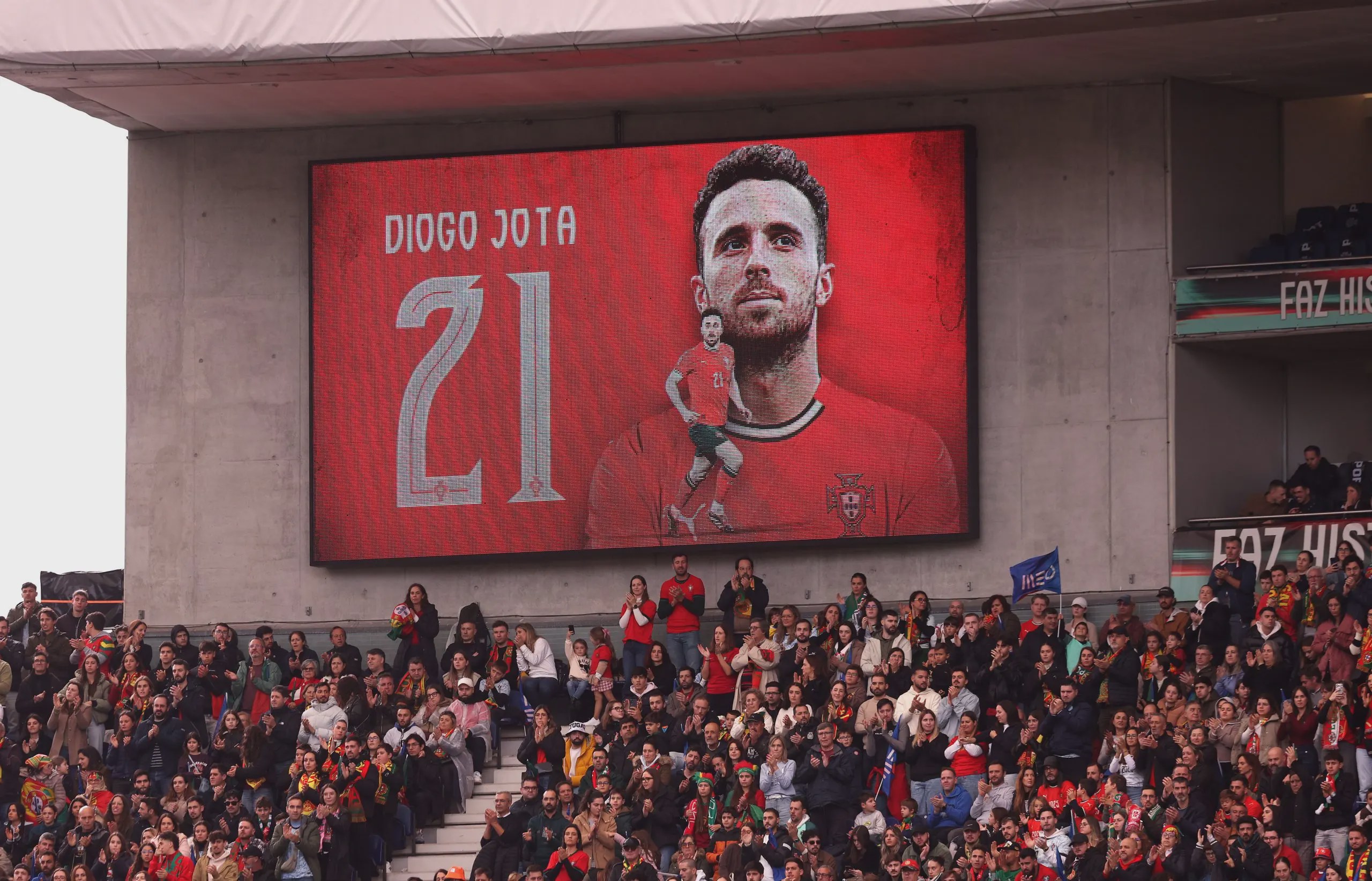
Ultimately, the tactical discussions and the statistical breakdowns pale in comparison to the emotional core of this team. The memory of Diogo Jota will be the driving force behind every sprint and every goal. Rúben Neves, one of Jota’s closest friends, has been vocal about the team’s commitment to carrying Jota’s spirit with them. The sight of Jota’s name on a memorial screen during the qualifiers served as a constant reminder of why they are there. This tournament is the final chapter of a story that began with Jota’s brilliance and will hopefully end with his teammates lifting the trophy he so desperately wanted to win.
Portugal opens their campaign against Congo on June 17 in Houston, followed by fixtures against Uzbekistan and Colombia in Group K. While they are heavy favourites to progress, the internal pressure to succeed has never been higher. This is a team that has won the European Championship and the Nations League, but the World Cup remains the final frontier. With the best midfield in the tournament, a legendary forward seeking a fairytale ending, and a brotherhood forged in grief, Portugal may finally be ready to take their place at the summit of world football. more football news on MATCHLINE