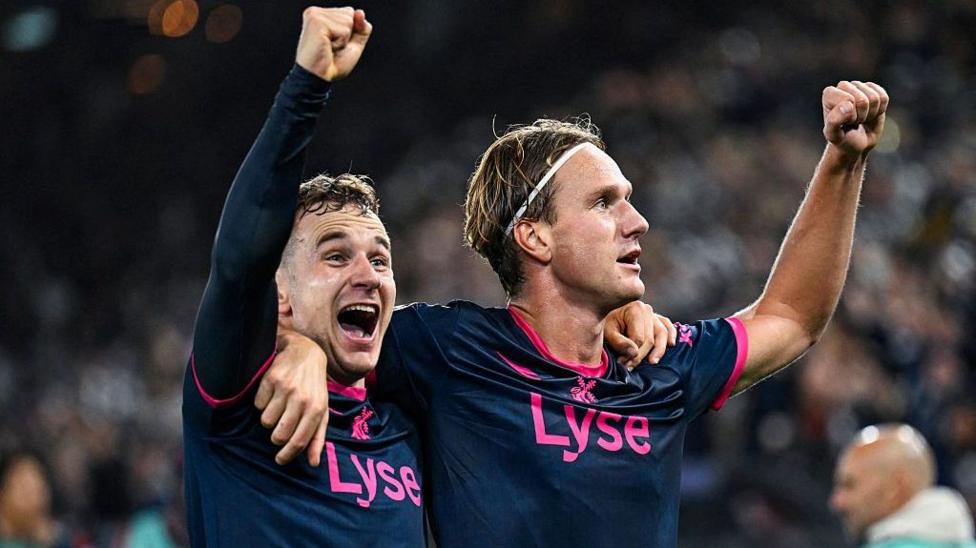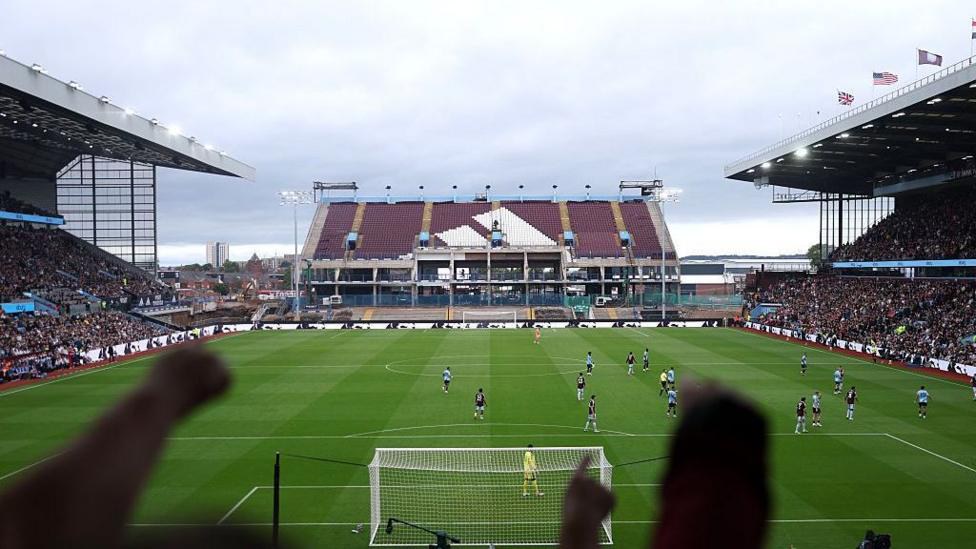
After a summer of losing their manager, captain, and talisman to Rangers, Hearts have started the new era with a bruising 4-0 defeat in Austria.
There is a specific kind of silence that descends upon a fanbase when the optimistic facade of a new era is shattered in just ninety minutes. For the supporters of Heart of Midlothian, the journey since May 16 has been a relentless sequence of psychological body blows. They came within moments of a historic league title only to see it slip away at the death; they then watched as their fiercest rivals, Rangers, effectively stripped the club for parts. The head coach, the captain, and the fans' favorite player all traded Gorgie for Govan, leaving a vacuum that Wouter Vrancken was brought in to fill. On a bruising Tuesday night against Sturm Graz, the reality of the rebuild was laid bare in a 4-0 humiliation.

The Great Tynecastle Exodus
To understand the current malaise at Hearts, one must look at the unprecedented nature of their summer exodus. It began with the loss of Lawrence Shankland, the club’s captain and undisputed talisman. The sting was made more painful by the revelation of a clause in his contract that allowed him to walk away for free, a detail that left fans fuming at the previous administration. Shankland was the spearhead of their title charge, and losing him to Ibrox felt like a symbolic surrender. But the bleeding didn’t stop there.
As Scotland prepared for its first World Cup appearance in nearly three decades, the news broke that Derek McInnes, the architect of their recent success, would also be heading to Rangers. The 'boyhood fan' narrative was used to explain away the move, but it did little to soothe the anger in Edinburgh. When Cammy Devlin followed suit, holding up a royal blue shirt just 24 hours after rumors suggested he would sign a new deal at Tynecastle, the betrayal felt complete. Hearts had been pillaged by the Glasgow giants, left to start again while their former heroes prepared for life in the West.
The Arrival of Wouter Vrancken
Into this debris stepped Wouter Vrancken. The appointment of the former Racing Genk coach was initially hailed as a major coup. Vrancken brought a glowing CV, including a Belgian Coach of the Year award and a reputation for high-octane, attacking football. His philosophy, which he described to supporters as "chaos within a structure," was supposed to be the antidote to the summer’s depression. He promised a style of play that would engage the fans and restore the club’s standing as the primary challengers to the Old Firm.
However, the transition from Genk to Gorgie has been anything but smooth. In his first competitive match, the Champions League qualifier against Sturm Graz, the "chaos" was present but the "structure" was nowhere to be found. A 4-0 scoreline is difficult to defend, even for a coach only days into his tenure. While the manager insisted that the score was not reflective of the game’s balance, the clinical nature of the Austrian hosts exposed the defensive frailties that have emerged since the departure of key senior figures. The honeymoon period lasted exactly one hour before the reality of Hearts' current state became apparent.
A Statistical Silver Lining?
If there is a reason for Hearts fans to cling to a shred of optimism, it lies in the underlying data. Analysts at Jamestown Analytics, who have become an integral part of the club’s recruitment and tactical planning, would point out that Hearts did not lag behind Sturm Graz in terms of chance creation. Pierre Landry Kabore, the young forward expected to fill some of the void left by Shankland, had clear opportunities that he failed to convert. Alexandros Kyziridis was similarly profligate, dragging a one-on-one effort wide when the game was still within reach.
The statistics suggest that Vrancken’s system is capable of manufacturing openings, but the lack of a clinical edge is glaring. In football, expected goals (xG) mean very little when the actual goals are being conceded with alarming frequency at the other end. The collapse in the second half was a symptom of a team that has lost its leadership and its sense of defensive cohesion. While Vrancken has asked for patience, the brutal nature of the Champions League qualifiers means that his side is already staring down the barrel of an early exit from Europe’s premier competition.
The Long Road to Recovery
The path forward for Hearts is fraught with difficulty. The psychological impact of being 'pillaged' by Rangers cannot be underestimated, and the fans are currently in a state of cautious skepticism. For Vrancken, the challenge is not just tactical; it is cultural. He must convince a group of players—many of whom are new to the intensity of Scottish football—that they can compete with the Glasgow duo without the talismanic figures who led them last year. The manager has a reputation for developing talent, but at Tynecastle, the results are needed yesterday.
As the Scottish Premiership season looms, the focus will shift from the debris of the summer to the reality of the pitch. Vrancken will need his 'structure' to take hold quickly if he is to avoid the fate of other continental coaches who have struggled with the physical demands and the unique pressure of the Edinburgh fishbowl. The 4-0 loss in Graz was a wake-up call, a reminder that titles and trophies are not won with spreadsheets and tactical theory alone. They are won with grit, leadership, and a clinical edge—all things Hearts are currently searching for. more football news on MATCHLINE