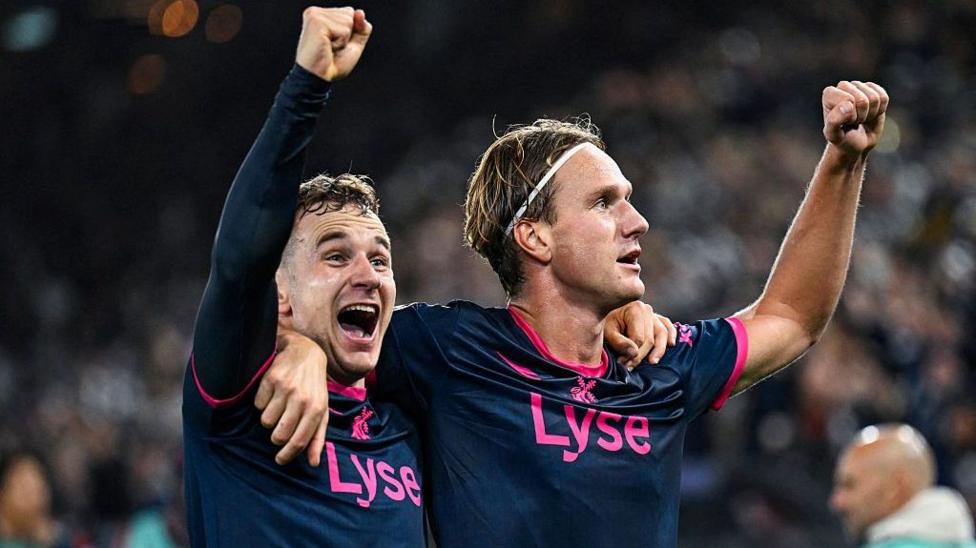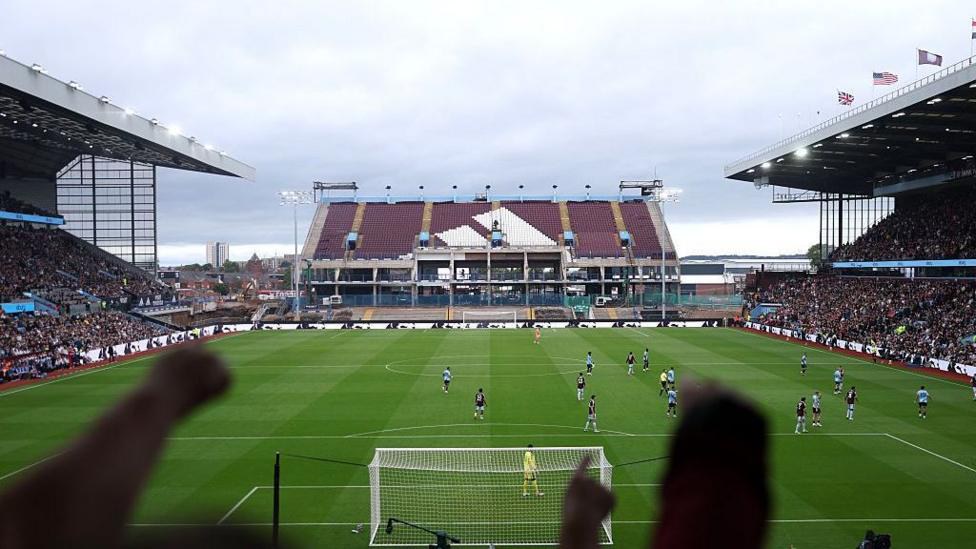
Following a Champions League final loss where possession plummeted, Arsenal boss Mikel Arteta faces a choice between tactical evolution and his winning formula.
Arsenal’s coronation as Premier League champions was a masterclass in domestic consistency, yet their heartbreaking loss in the Champions League final has ignited a profound tactical debate. In the wake of Sunday’s title parade, the euphoria of winning a first league title in 22 years is being tempered by an analytical look at the team’s performance against Europe’s elite. The final against Paris St-Germain in Budapest exposed a startling disparity: while the Gunners are the kings of England, they were forced into a defensive shell on the continent, recording less than 25% of the ball. For a manager who has spent £900m to build a side in his image, the question now is whether the current pragmatism is a temporary necessity or a ceiling that must be broken.
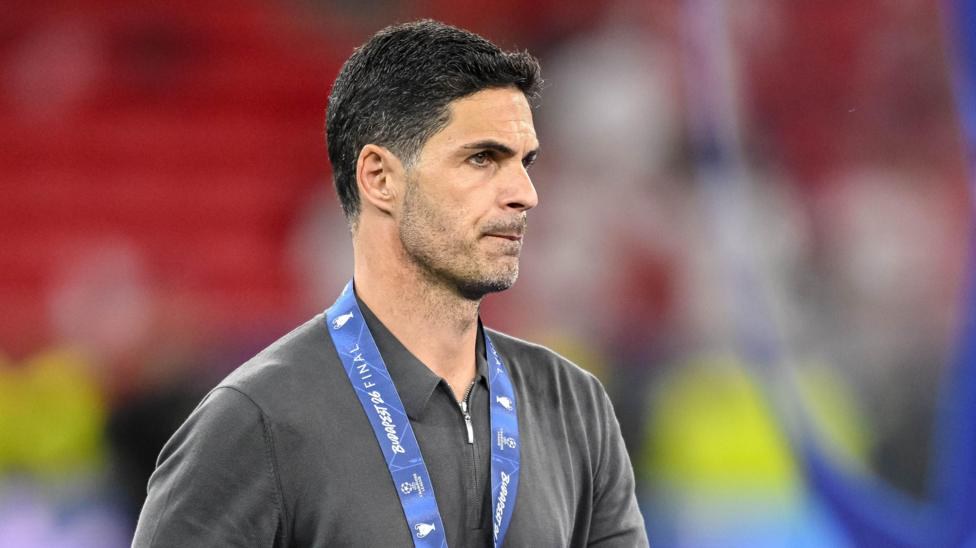
The Budapest Blueprint: A Lesson in Defensive Survival
The statistics from the clash with PSG make for uncomfortable reading for those who associate the Arsenal brand with expansive, possession-based football. Luis Enrique’s side didn't just dominate the ball; they monopolized it, completing 885 passes to Arsenal’s 285. While Kai Havertz’s early goal gave Mikel Arteta’s men something to protect, the subsequent 120 minutes were a grueling exercise in low-block survival. Former Premier League winner Matthew Upson noted that while the early goal naturally triggered a 'protection mode,' the 75-25% possession split is almost unheard of in a modern Champions League final between two supposed heavyweights.
Arteta’s post-match assessment was telling. He described PSG as 'the best team in the world' and admitted that their individual and collective prowess forced Arsenal into areas they didn't want to occupy. This suggests a tactical humility from Arteta, acknowledging that against the absolute pinnacle of European talent, his side currently lacks the tools to dictate play. The dilemma is clear: do you refine the current winning formula, which relies on a world-class defensive unit of Saliba, Gabriel, and Rice, or do you risk destabilizing that foundation to chase the kind of fluid, high-possession style that saw PSG dominate the final?
The Evolution from 'Buzzy Triangles' to Attritional Gains
Arsenal’s journey to the title was marked by a distinct shift in tactical emphasis midway through the season. In the early months, from August to December, the team played with a technical flourish that recalled the most aesthetic periods of the Wenger era. Upson highlights the 'buzzy little triangles' involving Bukayo Saka, Martin Odegaard, and Declan Rice as the hallmark of a side that sought to control games through possession. However, as the pressure of the title race intensified after the turn of the year, Arteta pivoted toward a more conservative, attritional approach that prioritized defensive solidity and set-piece efficiency.
This shift was undoubtedly successful, yielding a seven-point gap over Manchester City and a league-leading goal difference. Yet, the perception of Arsenal as a 'set-piece team' has persisted. The club won 20 games by a single-goal margin across all competitions, a testament to their psychological fortitude but also an indicator of a lack of creativity from open play during the business end of the campaign. Arteta’s challenge for next season is to reintegrate that early-season flair without sacrificing the defensive steel that made them so difficult to beat in the Premier League. It is a delicate balancing act that requires both recruitment and internal coaching shifts.
Searching for the 'PSG Factor' in the Transfer Market
Arteta has already hinted that significant decisions are looming this summer. His admiration for PSG's style of play suggests he wants his team to be more proactive in big-game scenarios. To achieve this, the forward line is likely to be the primary area of focus. While Viktor Gyokeres enjoyed a productive debut season with 21 goals, there is a feeling that Arsenal still lack a truly elite, multifaceted striker who can link play while remaining a lethal presence in the box. Links to Atletico Madrid’s Julian Alvarez are particularly intriguing; the Argentine possesses the Premier League experience and the technical versatility that Arteta craves.
Beyond a central striker, the left wing remains an area identified for improvement. While Leandro Trossard has been an effective and technically gifted outlet, Arteta is reportedly seeking a more explosive catalyst for attacks, someone who can replicate the terrifying individual actions seen from PSG’s wide players in Budapest. The manager’s comments about needing to 'do better' and find 'different margins' suggest that the £900m spent so far was just the beginning. The next phase of the project involves transitioning from a team that can win through defensive excellence to one that can dominate through attacking superiority.
The Role of the Modern Full-Back
A key takeaway from the Champions League final was the influence of the full-backs in initiating and sustaining attacks. PSG used their defenders as catalysts for fluid transitions, something Arsenal occasionally struggled to replicate under heavy pressure. In Arteta’s system, the full-backs have often been tasked with more defensive or 'inverted' roles to protect the midfield. Upson suggests that for Arsenal to reach the next level in Europe, there may need to be a tweak in how these positions are utilized, allowing for more dynamic overlapping and width to stretch high-quality opposition.
Fortunately, the raw materials are there. Players like Saka and Trossard are already top-level technical operators with the ball at their feet. The task is to create a structure that allows them to thrive even when possession is limited. This might involve a shift in how Declan Rice is used; while he has been a defensive colossus, his ability to drive forward and participate in the 'buzzy triangles' was one of the highlights of the early season. Finding the right balance between Rice’s defensive duties and his attacking potential will be crucial for the tactical evolution Arteta envisions.
Consistency vs. Creativity: The Gamble of Change
Any tactical shift brings an element of risk. Arsenal have just won the Premier League by playing a specific, disciplined way. Changing a winning formula is a gamble that many managers are unwilling to take. However, the psychological block of winning the league has now been removed, and this may be the perfect moment for Arteta to be brave. The Champions League remains the final frontier for this club, and as the stats show, winning it requires more than just defensive resilience. It requires the ability to take the game to the opponent, even when that opponent is of the caliber of PSG or Bayern Munich.
Arsenal’s path to the final in Budapest saw them overcome giants like Atletico Madrid, Bayern, and Inter Milan. It was a remarkable achievement that should not be overshadowed by the final defeat. However, to end the club's 226-game wait for the European Cup, Arteta knows that his team must show more on the ball. The coming season will be an examination of whether he can successfully merge the two halves of his tactical identity: the pragmatic defensive unit that conquered England, and the creative, possession-heavy side he aspires to build for the European stage. For more football news on MATCHLINE, follow our analysis as the summer transfer window opens.