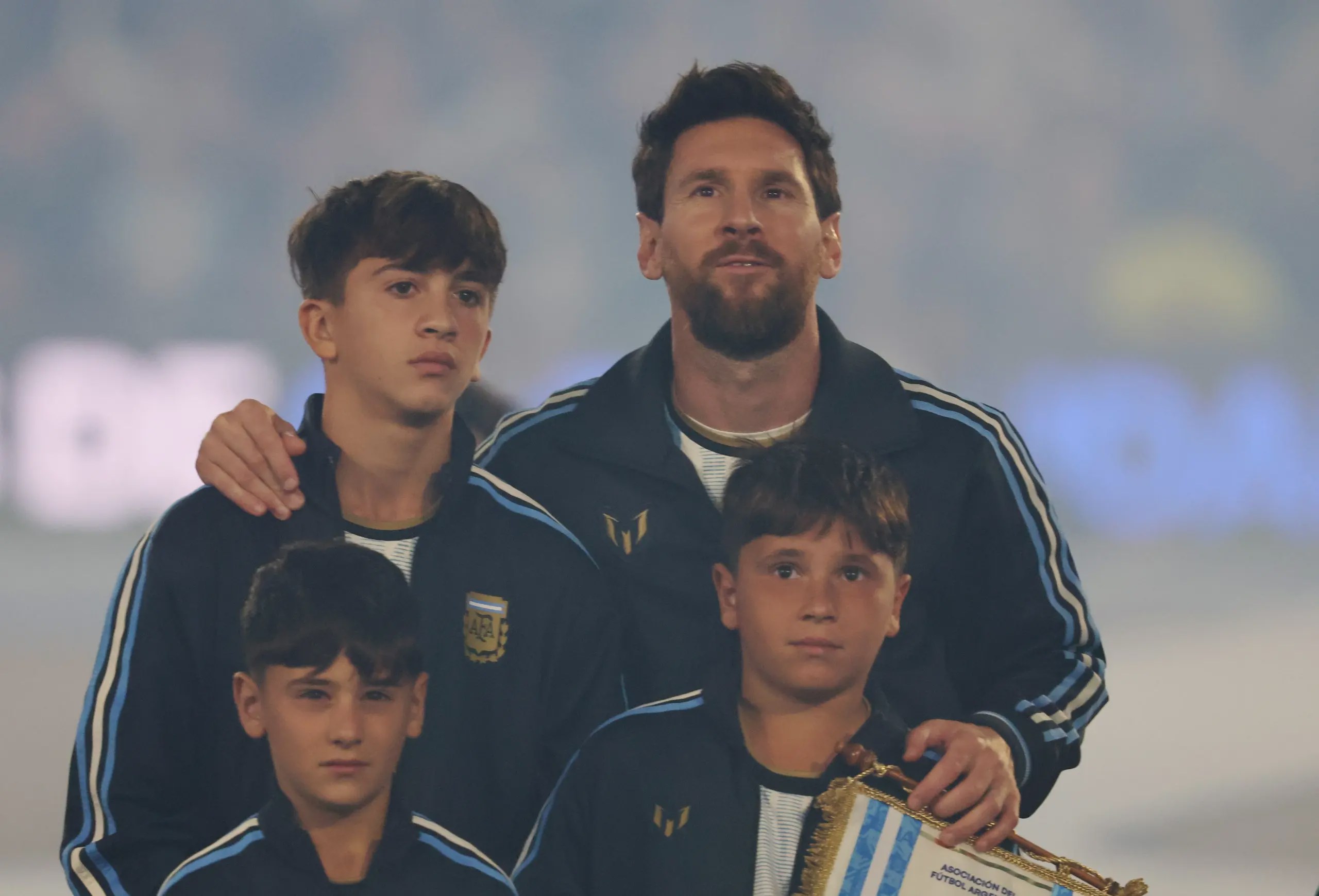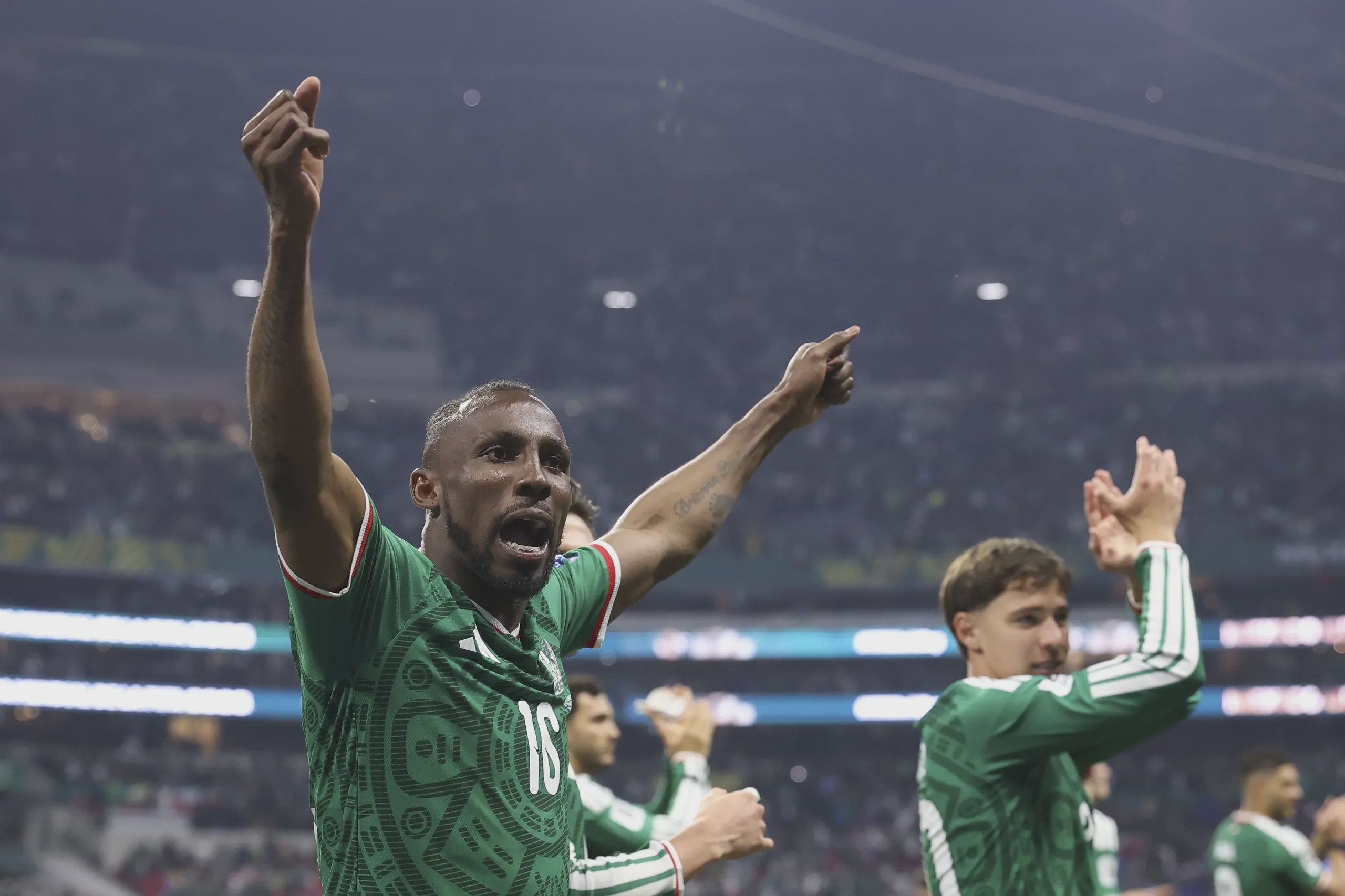
The 2026 World Cup's opening week has highlighted the dramatic age gap between legends like Cristiano Ronaldo and teenage debutants like Gilberto Mora.
The 2026 World Cup has become a fascinating experiment in human endurance and precocious ambition. In one corner, you have Cristiano Ronaldo, a 41-year-old defying the biological clock in his quest for a final, elusive glory; in the other, Gilberto Mora, a 17-year-old Mexican midfielder who was still in primary school when Ronaldo was lifting his fourth Ballon d'Or. As the tournament moves into its second week, the narrative is being driven by this extraordinary generational collision, where the twilight of legends meets the dawn of the next era.
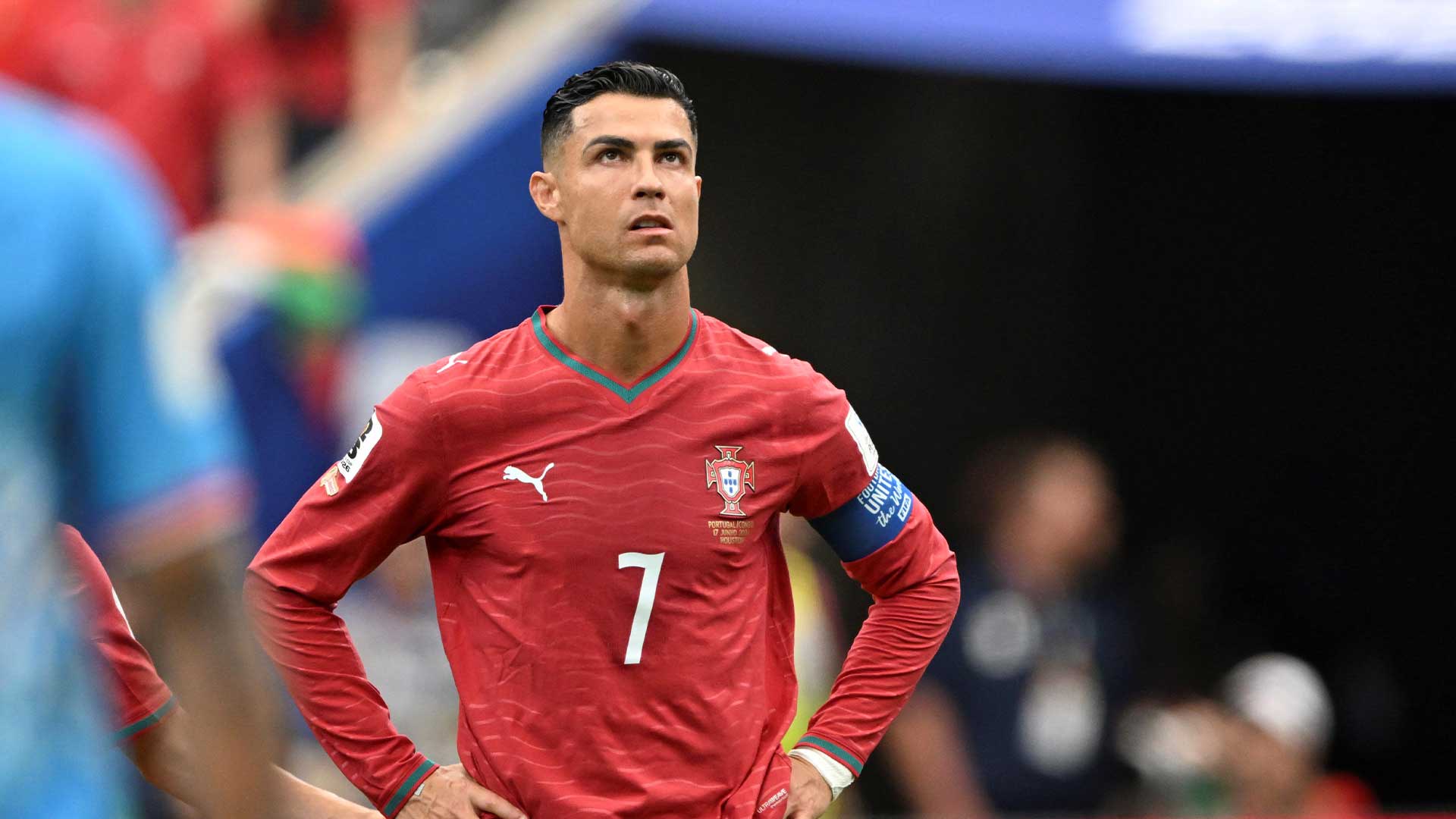
Ronaldo’s presence in the Portugal starting eleven for their 1-1 draw with Congo was more than just a sentimental selection. By taking the pitch on Wednesday, he became the oldest outfield player to ever start a World Cup match, a record that serves as a monument to his professional longevity. While he failed to find the back of the net, his influence on the game remains undeniable. The 48-team format has expanded the stage, but it is the familiar faces of the old guard who continue to command the most attention, even as their younger counterparts begin to chip away at their dominance.
The Last Dance of the 40-Club
Ronaldo is not alone in the veteran’s lounge. Luka Modric, now 40, found himself in a grueling battle against England in Dallas. It was a difficult afternoon for the Croatian legend, whose foul led to Harry Kane’s opening penalty and who was eventually substituted before the hour mark. The physical demands of the modern game are relentless, and even for a technician of Modric’s calibre, the pace of an England midfield fueled by twenty-somethings can be overwhelming. Yet, his presence remains vital for a Croatia side that is transitioning between generations.
The goalkeeping fraternity is also well-represented by the over-forties. Manuel Neuer continues to anchor the German defense at 40, but it is the unheralded Vozinha of Cape Verde who has captured the headlines. His heroic performance in a 0-0 draw against Spain proved that experience can often trump youthful exuberance. Vozinha’s story, punctuated by the hope that his mother will be able to watch him play in Miami against Uruguay, provides the kind of human texture that makes the World Cup more than just a sporting event. Experience, in this tournament, is not just a number; it is a shield against the pressure of the world stage.
Teenage Dreams and Immediate Impact
At the other end of the spectrum, the teenagers are refusing to wait their turn. Senegal’s Ibrahim Mbaye provided one of the week’s most dramatic moments, coming off the bench against France to score in stoppage time. At just 18 years old, the French-born forward showed no nerves as he faced off against Kylian Mbappe and the reigning elite. His goal was a reminder of the raw talent currently flooding out of youth academies across Europe and Africa, ready to be integrated into senior international setups at the first opportunity.
Mexico’s Gilberto Mora has also become a focal point of home expectations. The 17-year-old Tijuana midfielder received a deafening ovation when he entered the fray during El Tri’s 2-0 win over South Africa. Mora is already being tracked by several top European clubs, and his performances in Guadalajara could spark a bidding war before the tournament is even over. For Mexico, he represents the future of a national team that has often struggled to balance its domestic experience with high-potential youth. He is the youngest player in the entire tournament, a fact that seems to bother him far less than it does his opponents.
The Mid-Ground: Messi and the Rising Stars
Lionel Messi, at the sprightly age of 38, continues to defy the expectations of those who thought his move to MLS would signal the end of his competitive peak. A hat-trick against Algeria in Argentina’s opener served as a violent reminder of his enduring genius. Messi’s ability to manipulate a game at his own pace remains the gold standard for attacking football, and he appears to be enjoying the role of the elder statesman in a squad that is fiercely protective of his legacy. As he approaches his 39th birthday next week, the question is no longer if he can compete, but for how long he can dominate.
Meanwhile, players like Morocco’s Ayyoub Bouaddi and Egypt’s Hamza Abdelkarim are carving out their own niches. Bouaddi, who switched allegiances from France just in time for the tournament, was a standout in the midfield against Brazil. These 18-year-olds are not just there to make up the numbers or gain experience; they are being trusted with key roles in high-stakes matches. The gap between youth football and the World Cup stage is narrowing, with teenagers now possessing the physical and tactical readiness to compete with seasoned veterans from the first whistle.
Physical Demands and the 48-Team Format
The expansion to 48 teams has placed an even greater emphasis on squad depth and the ability to rotate between experience and energy. The sheer volume of matches and the travel required across North America favor teams that can blend the tactical wisdom of their veterans with the recovery speed of their teenagers. Spain’s Lamine Yamal, who turns 19 next month, is already being managed carefully following a hamstring injury, illustrating the delicate balance coaches must strike. A World Cup is a marathon of attrition, and managing the workload of both the oldest and youngest players will be the key to longevity in the knockout rounds.
As the tournament progresses, the generational divide will likely become even more pronounced. We are witnessing the final chapters for some of the greatest to ever play the game, while simultaneously watching the first paragraphs of tomorrow’s superstars being written in real-time. Whether it is Ronaldo’s obsessive pursuit of a goal or Mora’s fearless substitute appearances, the 2026 World Cup is proving that age is merely a secondary consideration to talent and the will to win. The collision continues, and the world is watching to see who will be left standing. more football news on MATCHLINE